


10 Bulgarian seaside destinations for every taste
August 19, 2026
Plovdiv Then and Now: The City Center Through Time in Photos
September 26, 2026

Why Plovdiv Should Be on Your Eurovision Itinerary
In 2027, Bulgaria will welcome Eurovision fans from all over Europe and beyond. While Burgas will take centre stage as the host city, your trip to Bulgaria doesn’t have to begin and end there.
If you’re travelling all the way to this corner of Europe for one of the world’s biggest music events, why not turn your Eurovision adventure into a chance to discover more of the country?
And that’s where Plovdiv comes in.
One of Europe’s oldest cities, Plovdiv is a place where ancient history, Roman ruins, colourful architecture, street art and a lively creative scene exist side by side. It is different from Burgas, different from Sofia and unlike anywhere else in Bulgaria.
So, while Eurovision may be the reason you’re coming to Bulgaria, here are five reasons why Plovdiv should definitely be part of your itinerary.
1. Walk Through 8,000 Years of History
Few cities allow you to travel through so many different periods of history simply by going for a walk.
Plovdiv’s story stretches back thousands of years. The city has been home to prehistoric communities, Thracians, Romans, Byzantines, Ottomans and modern Bulgarians, and traces of many of these periods can still be discovered today.
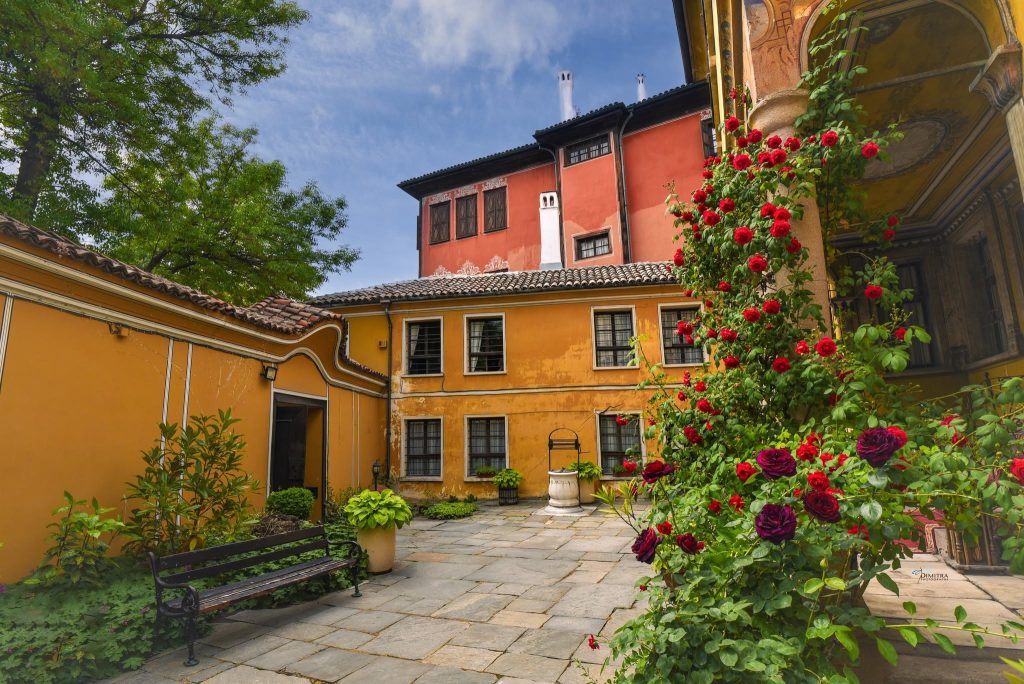
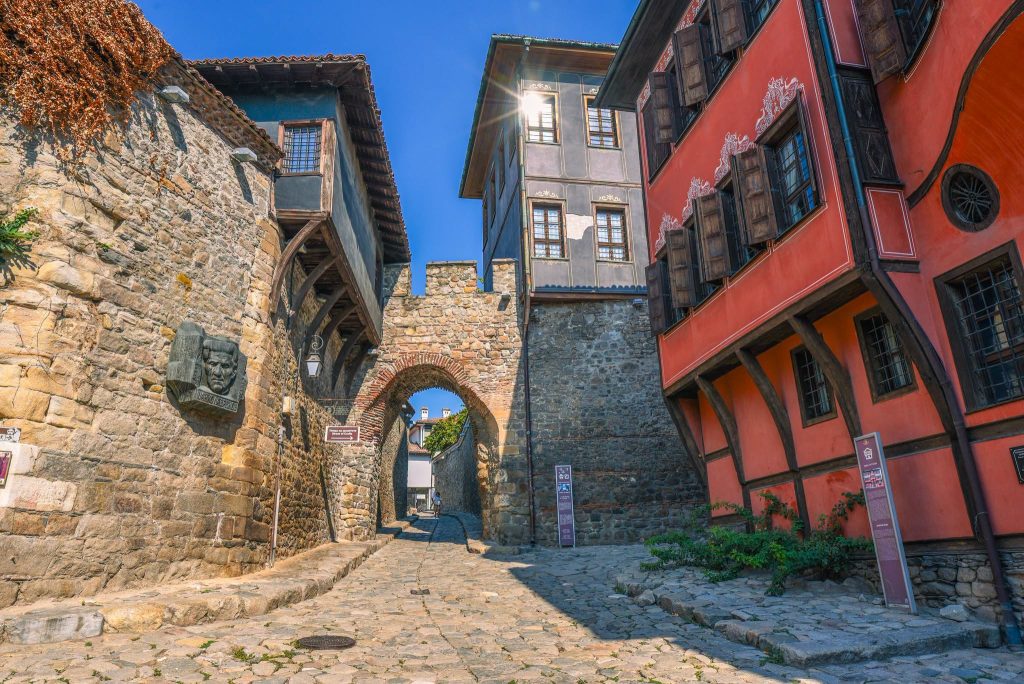
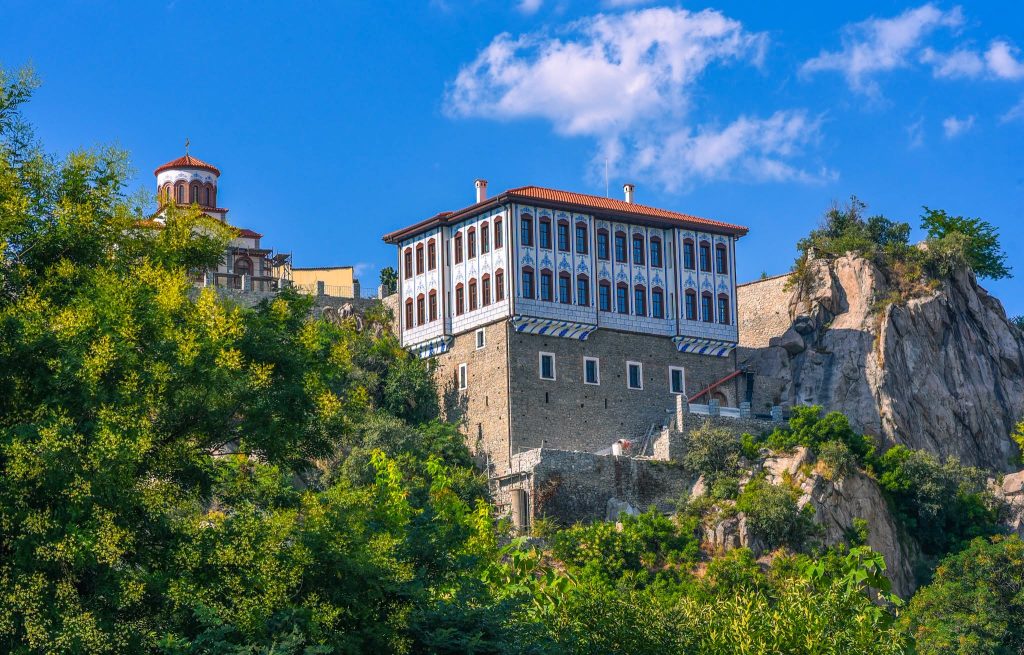
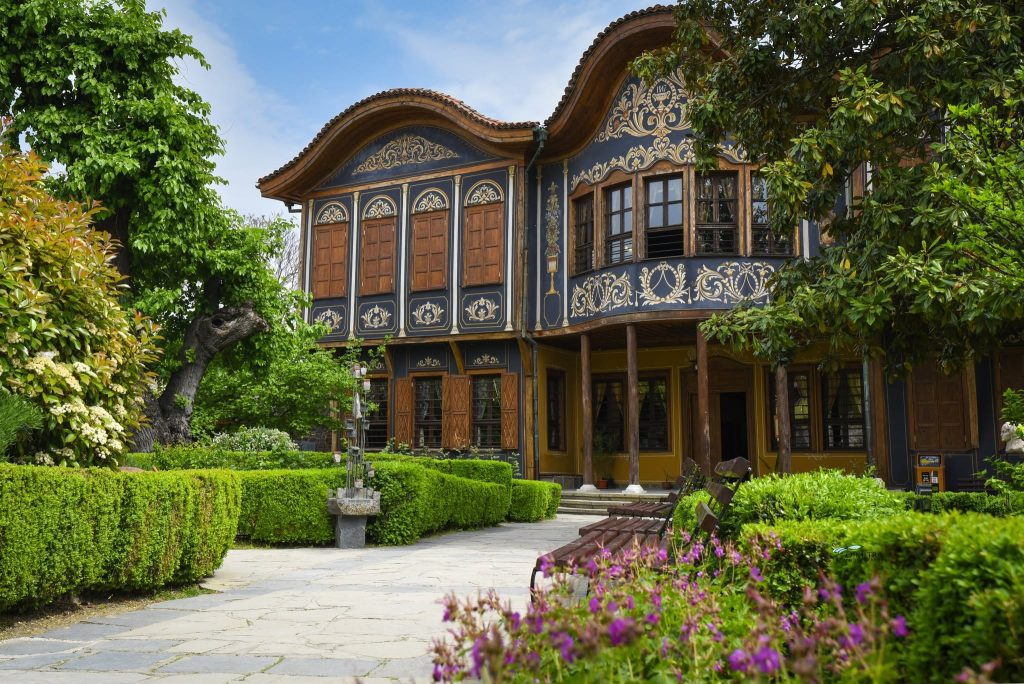
Start in the Old Town, where beautifully preserved Bulgarian Revival houses stand on cobbled streets. Continue to the Ancient Theatre, one of the city’s most spectacular landmarks, and then head towards Nebet Tepe, one of the hills where Plovdiv’s earliest settlements developed.
Roman streets, Ottoman mosques, Revival-era houses and contemporary neighbourhoods are all part of the same city.
The best part? You don’t need to spend hours travelling between museums or archaeological sites. In Plovdiv, history is everywhere around you.
2. Experience a Concert Venue Almost 2,000 Years Older Than Eurovision
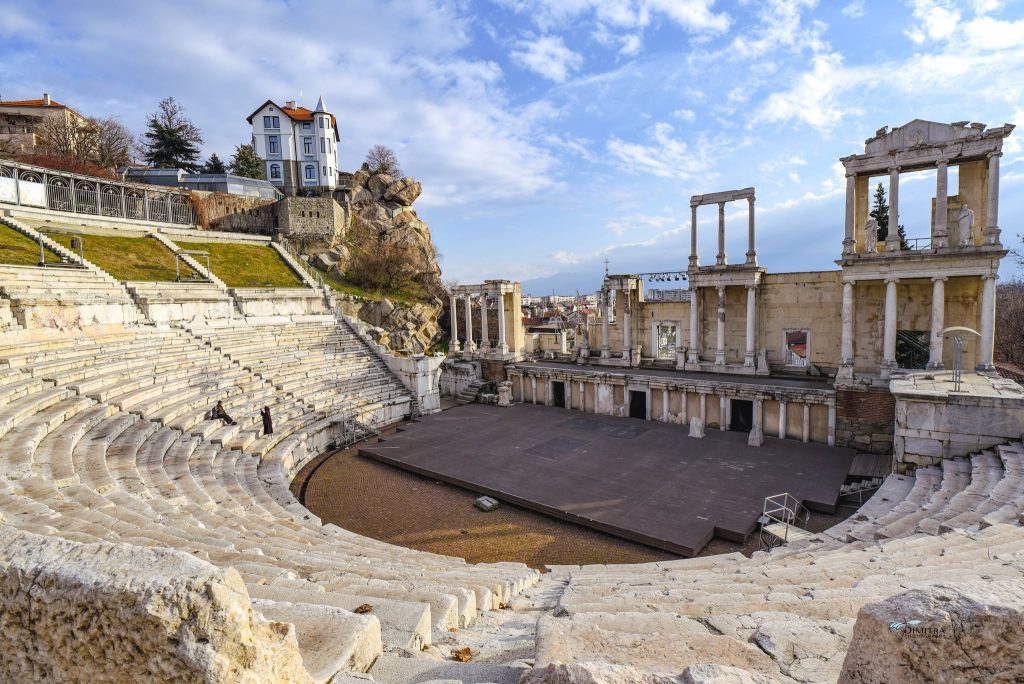
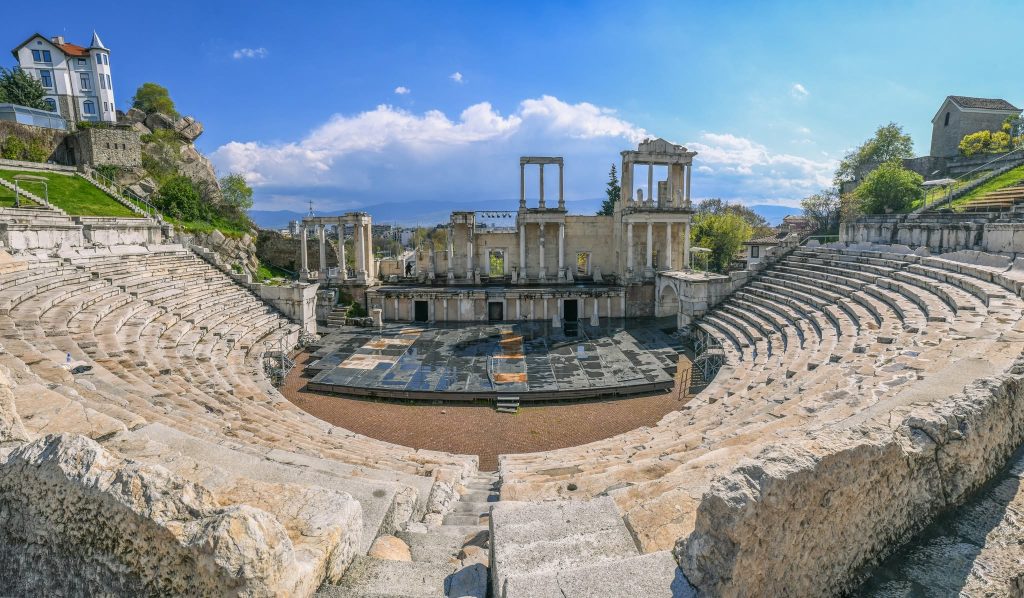
If there is one place in Plovdiv that Eurovision fans shouldn’t miss, it is the Ancient Theatre.
Built during the Roman period, it is one of the best-preserved ancient theatres in the world. But what makes it particularly special is that it isn’t simply a monument frozen in time.
Almost two thousand years after it was built, the theatre is still alive.
Concerts, opera performances, theatre productions and festivals continue to take place there, with thousands of spectators sitting on the ancient marble seats just as audiences did centuries ago.
Eurovision fans will gather in Bulgaria to celebrate music in a modern arena. In Plovdiv, you can experience a completely different kind of music venue — one where the stage has been part of the city’s story for nearly two millennia.
If your visit happens to coincide with a performance, there is probably no better way to experience the magic of Plovdiv.
3. Discover Bulgaria’s Most Creative Side
Plovdiv isn’t only about ancient ruins and history.
Over the last few decades, the city has developed a reputation as one of Bulgaria’s most creative places. Artists, musicians, designers and independent creators have helped shape its contemporary identity, adding a completely different layer to the city’s ancient streets.
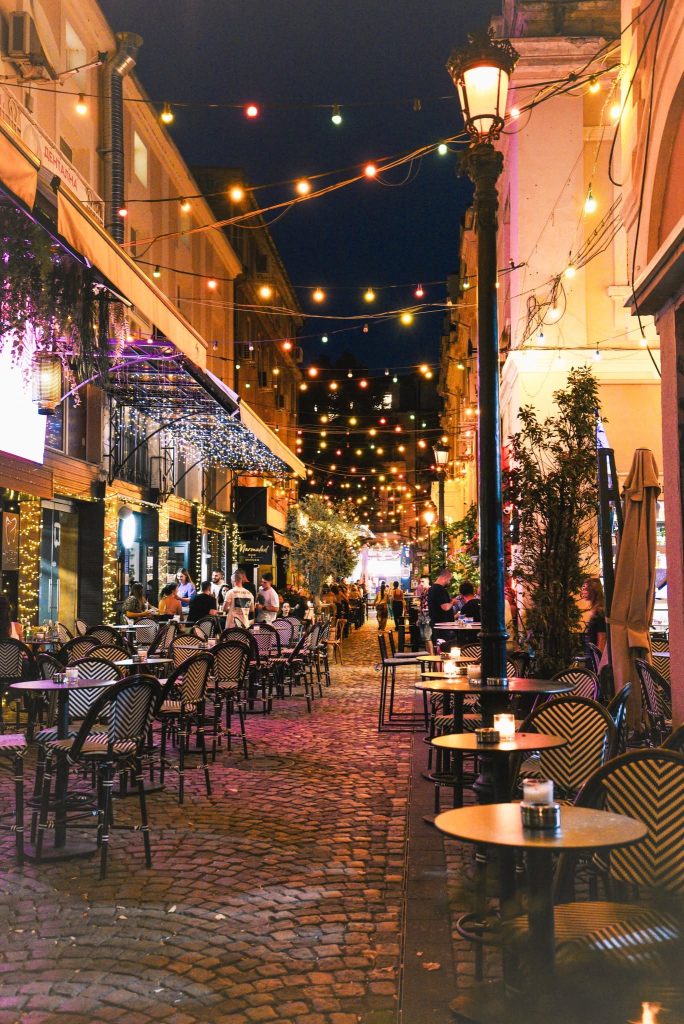
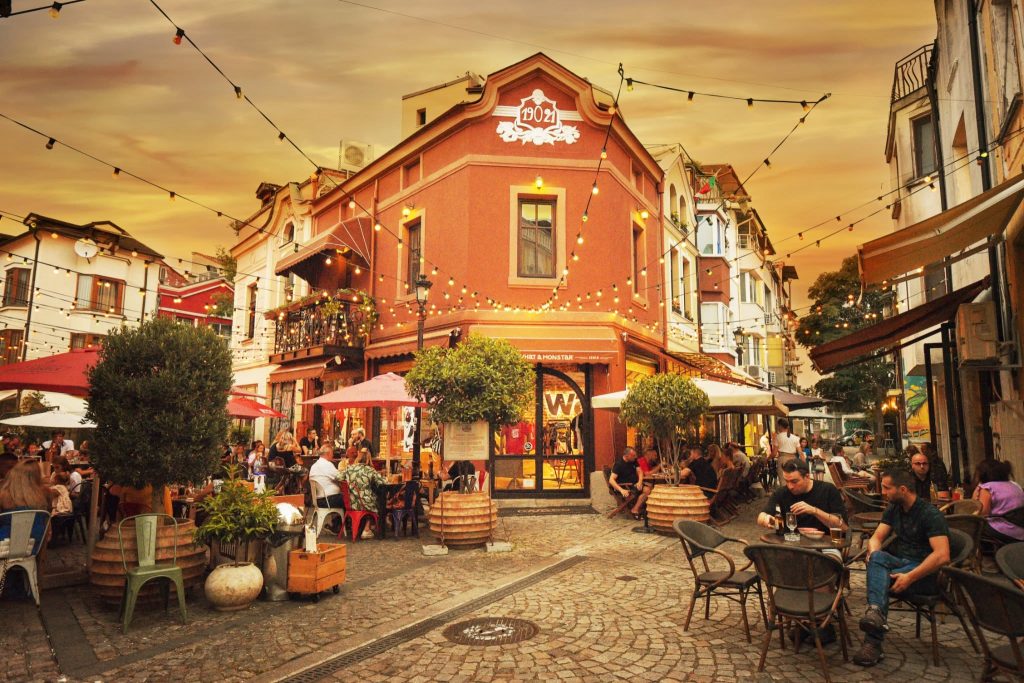
The best place to experience this atmosphere is Kapana.
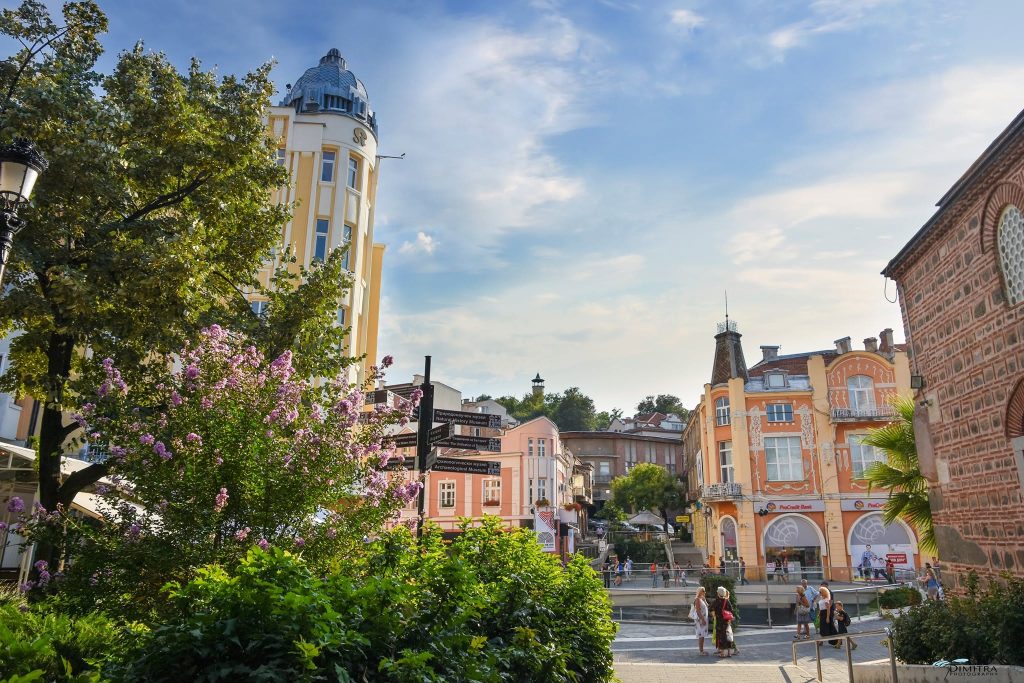
Once a district of craftsmen and workshops, Kapana — meaning The Trap in Bulgarian — has become one of Plovdiv’s most vibrant neighbourhoods. Its narrow streets are filled with cafés, bars, small shops, galleries and colourful corners that invite you to wander without a particular destination in mind.
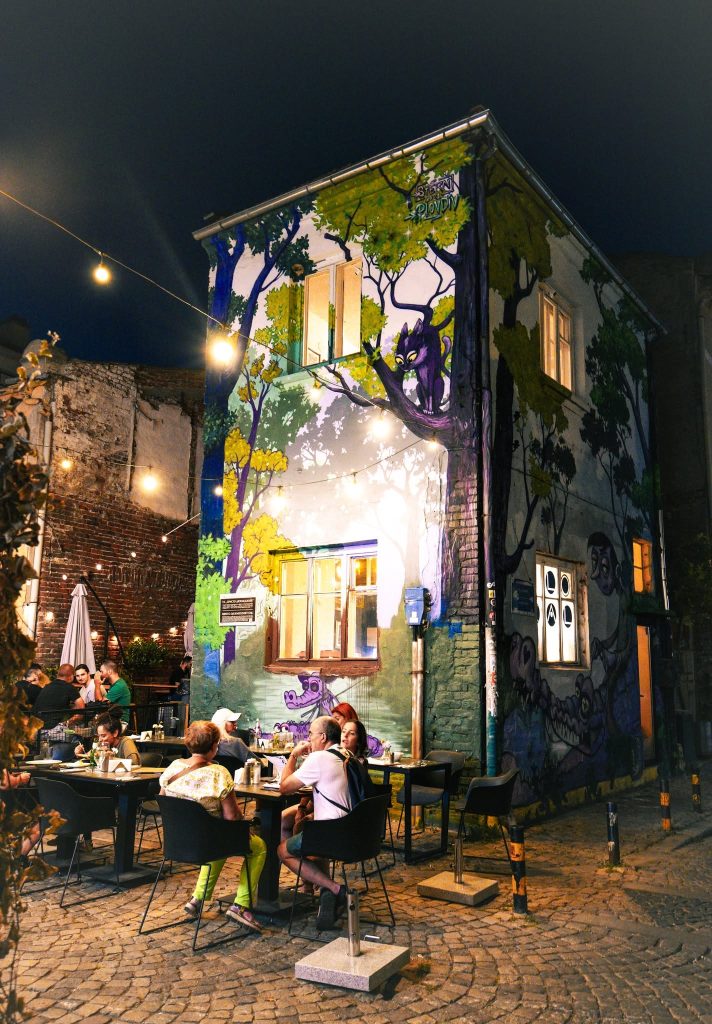
Street art is another important part of the city’s personality. Murals and smaller artworks can be found in unexpected places, often telling stories about Plovdiv’s past and present.
For those who want to explore this side of the city in more detail, our Plovdiv Graffiti Tour offers a different perspective on the streets, walls and artists that have helped turn Plovdiv into an open-air gallery.
Eurovision has always celebrated music, creativity and self-expression. In Kapana and beyond, you’ll find plenty of all three.
4. See Why Plovdiv Is Bulgaria’s City of Hills
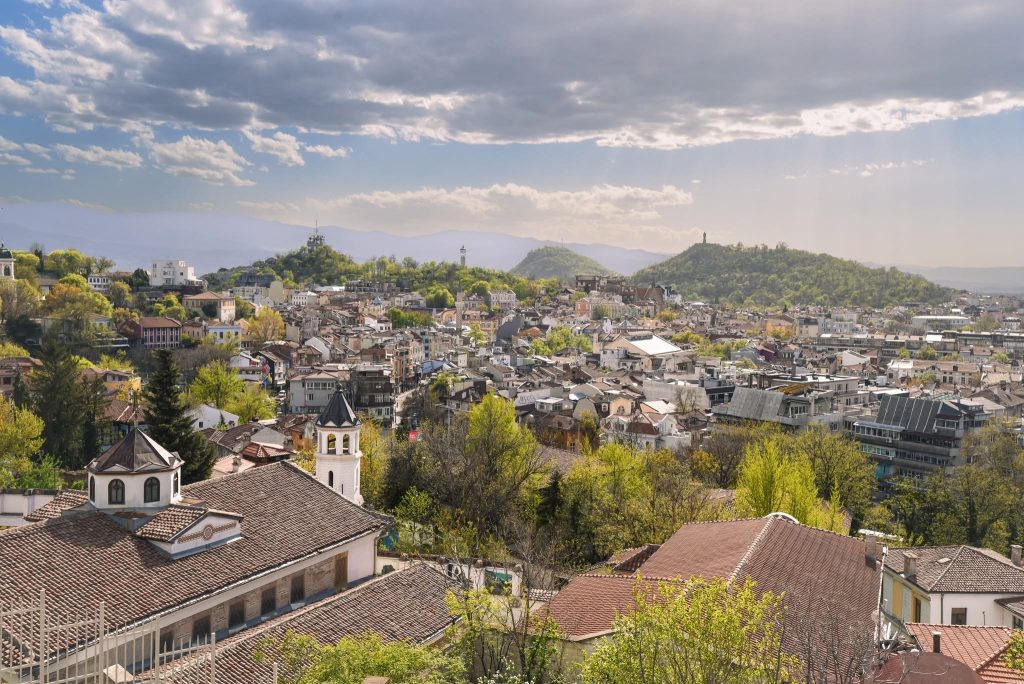
Plovdiv is famous for its hills — and they are one of the reasons the city looks and feels so different from anywhere else in Bulgaria.
The hills have shaped Plovdiv’s history for thousands of years, providing natural protection for its earliest inhabitants and spectacular viewpoints for visitors today.
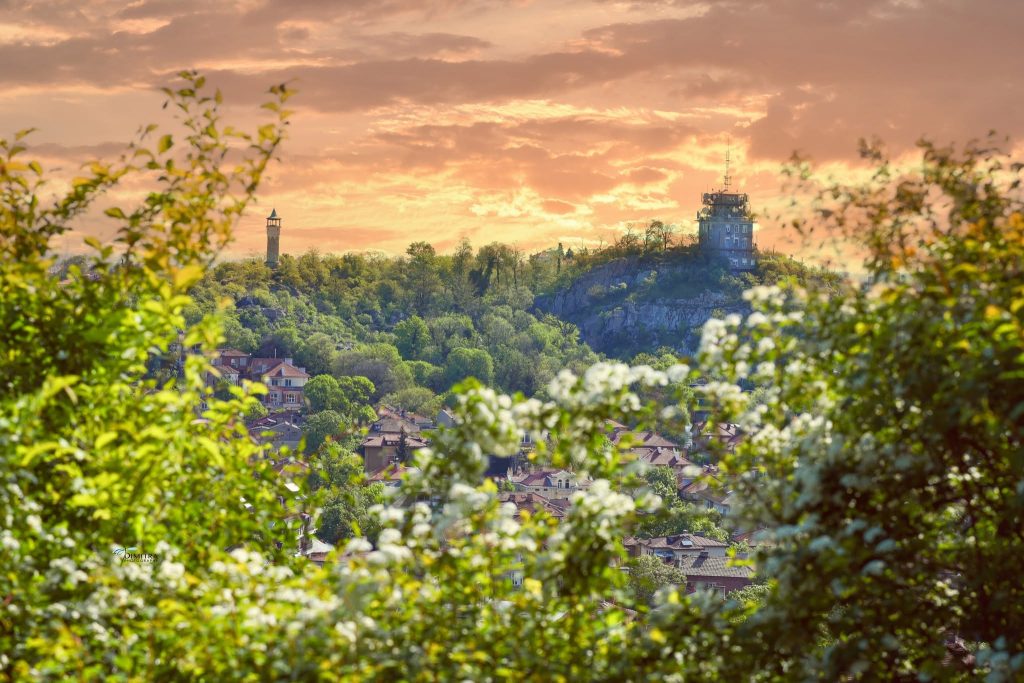
Nebet Tepe is perhaps the best-known place to start. Located in the Old Town, it offers impressive views over the city and is one of the most atmospheric places to watch the sunset.
Bunardzhik Hill, crowned by the Alyosha monument, offers another panoramic perspective, while Sahat Tepe is home to one of the city’s most recognisable landmarks — the clock tower.
Exploring Plovdiv’s hills is also a good excuse to slow down.
After the excitement, crowds and energy of Eurovision, you might appreciate an afternoon spent walking uphill, finding a quiet viewpoint and watching the city stretch out beneath you.
Sometimes the best way to experience Plovdiv is simply to stop and look around.
5. Because Eurovision Is the Perfect Excuse to Explore More of Bulgaria
Burgas may be the host city, but Eurovision 2027 is a perfect reason to turn one event into a much bigger journey.
Bulgaria is a relatively compact country, making it possible to combine several very different destinations during one trip.
You can experience the capital Sofia, explore the ancient streets of Plovdiv and then continue towards the Black Sea and Burgas.
Or you can do the journey the other way around.
The contrast is part of the experience. Burgas will give you the sea. Plovdiv will give you hills. Burgas will welcome Eurovision fans from around the world. Plovdiv will take you through thousands of years of history.
And somewhere between the two, you’ll discover that Bulgaria has much more to offer than you might have expected.
So don’t just book your Eurovision tickets, arrive in Burgas and fly home a few days later.
Stay a little longer.
Explore a little further.
How to Add Plovdiv to Your Eurovision Trip
Depending on your travel plans, Plovdiv can easily become part of a wider Bulgarian itinerary.
Sofia → Plovdiv → Burgas
Arrive in Sofia, spend a few days exploring Bulgaria’s capital, continue to Plovdiv and then travel to Burgas for Eurovision.
Burgas → Plovdiv → Sofia
Start with Eurovision in Burgas and then continue inland to discover Plovdiv before finishing your trip in Sofia.
Turn Eurovision into a Bulgarian Adventure
If you have more time, don’t rush.
Spend a few days in each destination and allow yourself to discover places beyond the obvious tourist highlights. Plovdiv is also a great base for exploring the Rhodope Mountains, Bachkovo Monastery and Asen’s Fortress.
Explore Plovdiv with a Local
The best way to understand a city with thousands of years of history is to hear its stories.
Join Free Plovdiv Tour and explore the Old Town, Roman ruins and some of the city’s most important landmarks with a local guide. If you want to see a different side of Plovdiv, you can also explore its street art, socialist architecture and contemporary culture through our specialised tours.
Whether you have just one day or several, we’ll help you discover why so many visitors fall in love with this city.
Eurovision may be the reason you come to Bulgaria.
But Plovdiv might become one of the reasons you’ll want to come back.
Pictures: Dimitra Lefterova
Check out also:


