


Coming to Bulgaria for Eurovision 2027? Don’t Miss Plovdiv!
August 28, 2026
See how some of Plovdiv’s most iconic places have changed – and what has remained surprisingly familiar
All old photographs featured in this article are courtesy of the Facebook group „Пловдивъ оживява в цвят“.
Plovdiv is one of those cities where the past is never too far away. Walk through its streets today and you can still find traces of different eras almost everywhere — Roman ruins, Revival-era houses, grand 19th-century buildings and streets shaped by the city’s more recent history.
But how much has the city center actually changed?
We’ve put together a collection of old photographs and their modern-day counterparts to take you on a journey through the area’s past and present. Some places have been completely transformed, while others look surprisingly similar after decades — or even more than a century.
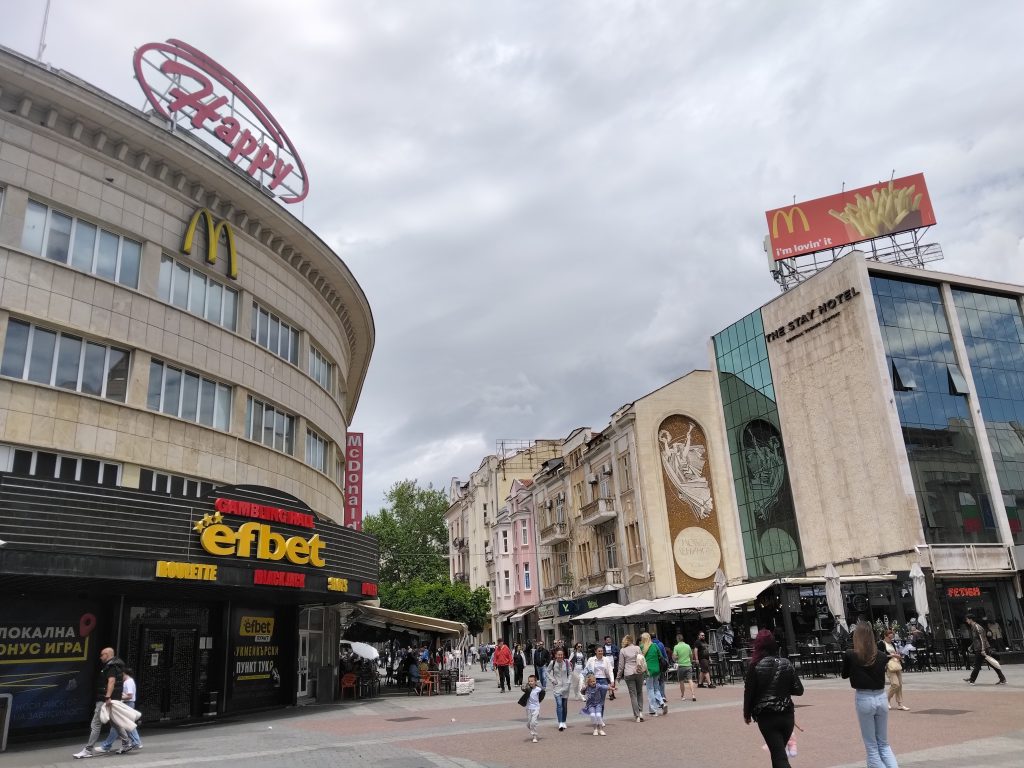
Plovdiv’s Main Street and City Hall: Then and Now
If you have ever joined a Free Plovdiv Tour, there is a good chance that your walk through the city started right here – in front of Plovdiv’s City Hall. It was built between 1912 and 1914 and has remained one of the landmarks of this part of the city. While the surroundings have evolved significantly, the building continues to be a familiar meeting point for locals and visitors alike.
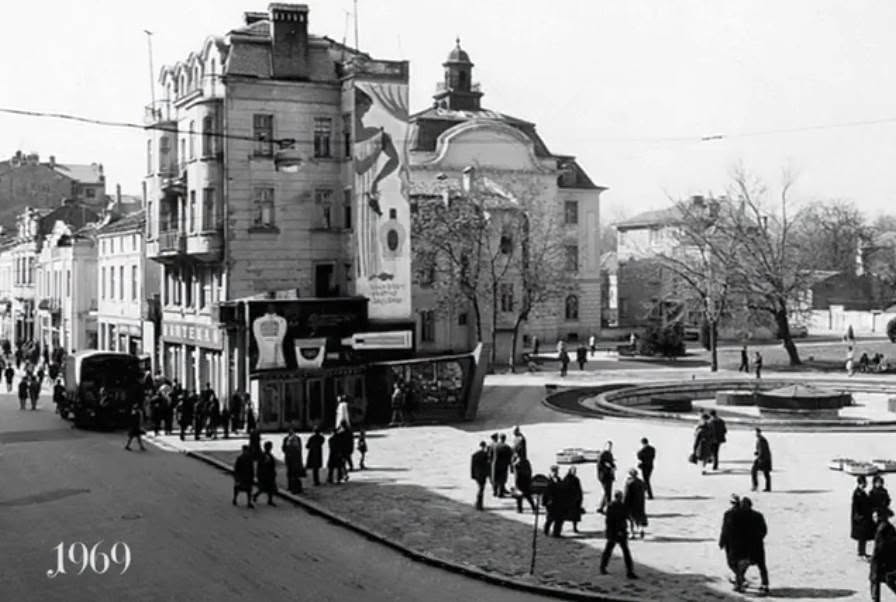
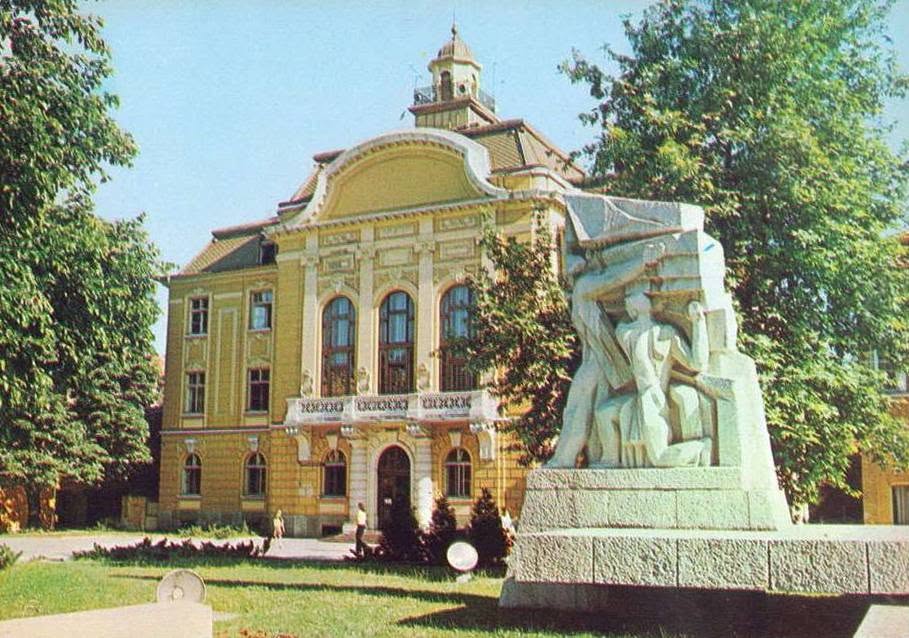
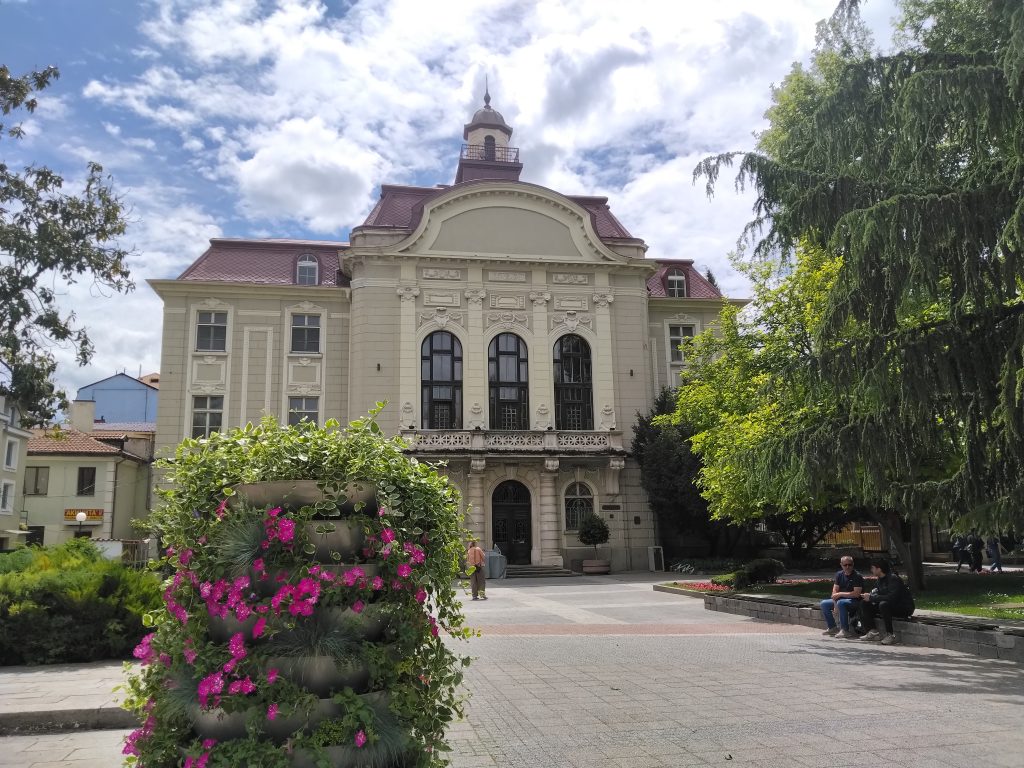
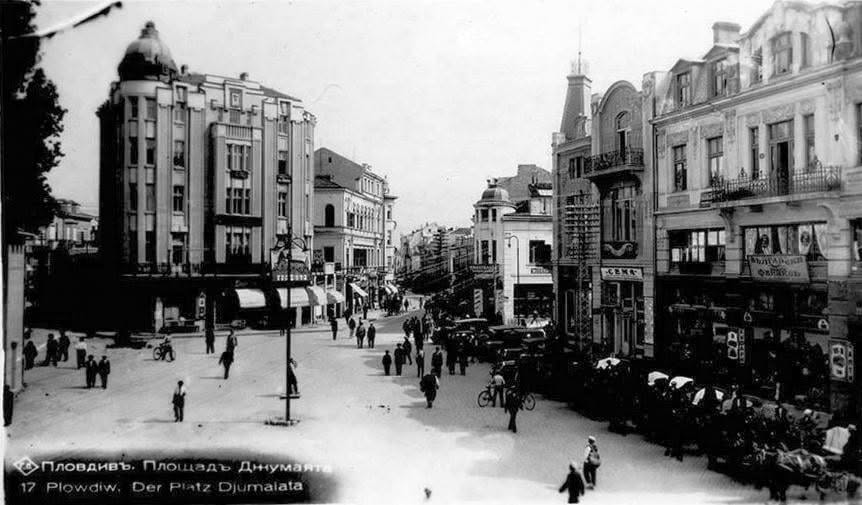
Plovdiv’s Main Street began its transformation into the city’s central commercial and pedestrian area in the early 20th century. The historic photographs give us a glimpse of a very different Plovdiv – with cars, pedestrians and buildings that have since disappeared or changed their appearance.
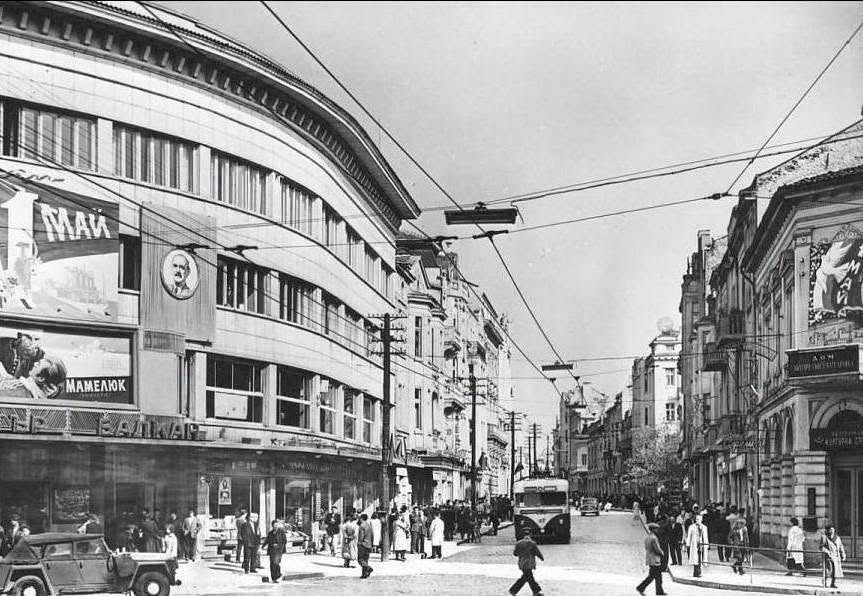
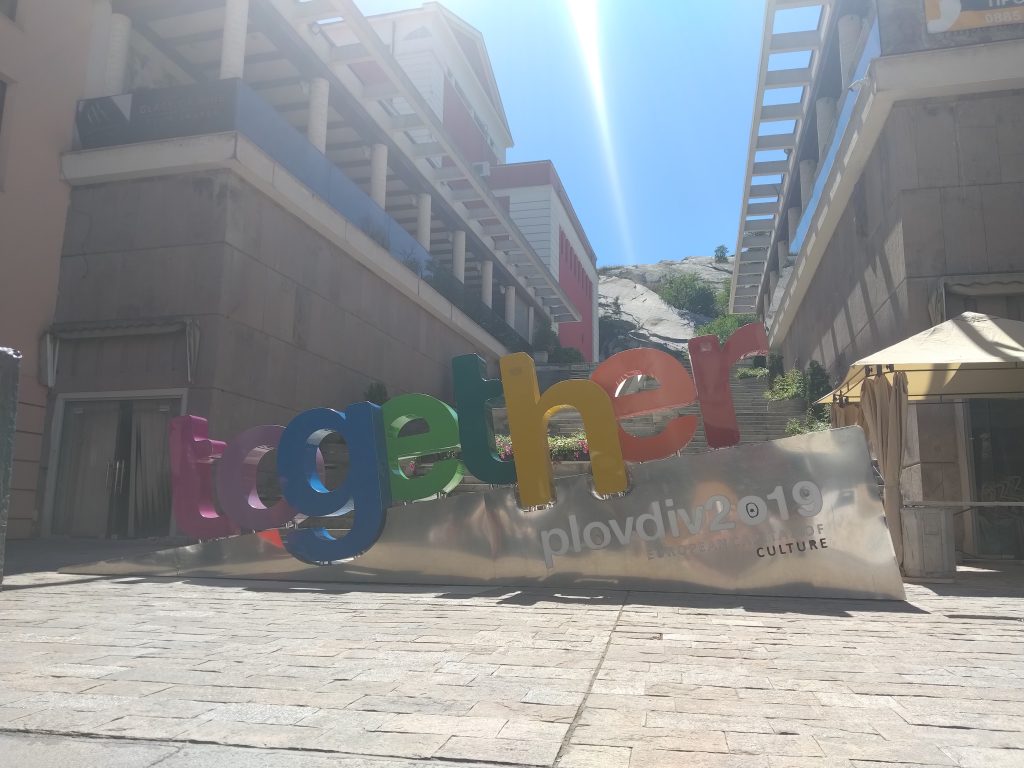
Can you recognize the place where the sign TOGETHER is now?
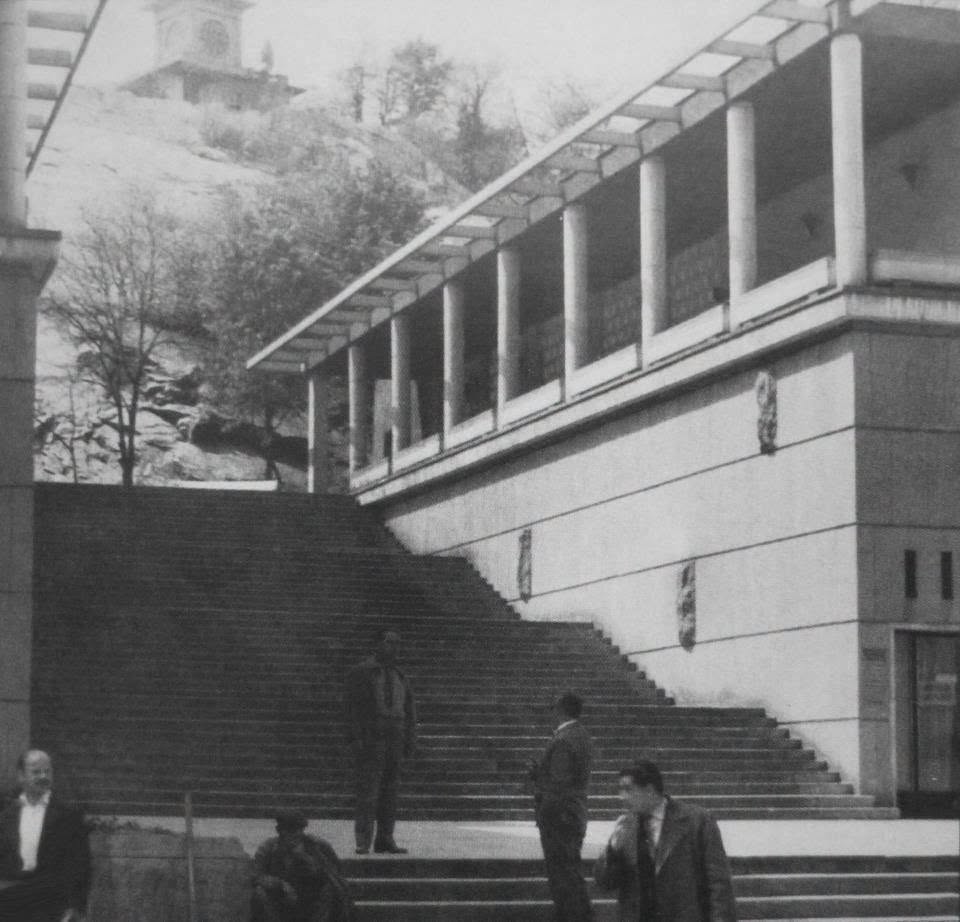
Roman Stadium: Then and Now
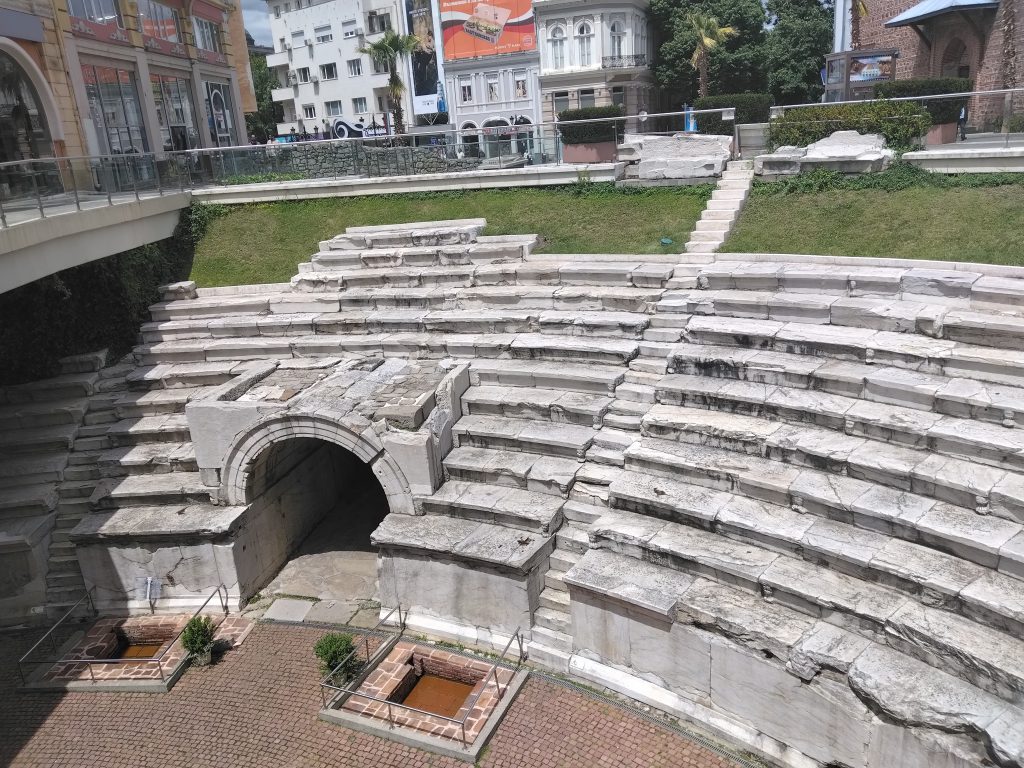
Today, the Roman Stadium is one of the most recognizable landmarks in the heart of Plovdiv. But its remains were not always visible. The photographs below take us back to the period when the archaeological site was being uncovered and excavated in the 70’s, revealing what had been hidden beneath the busy city centre for centuries.
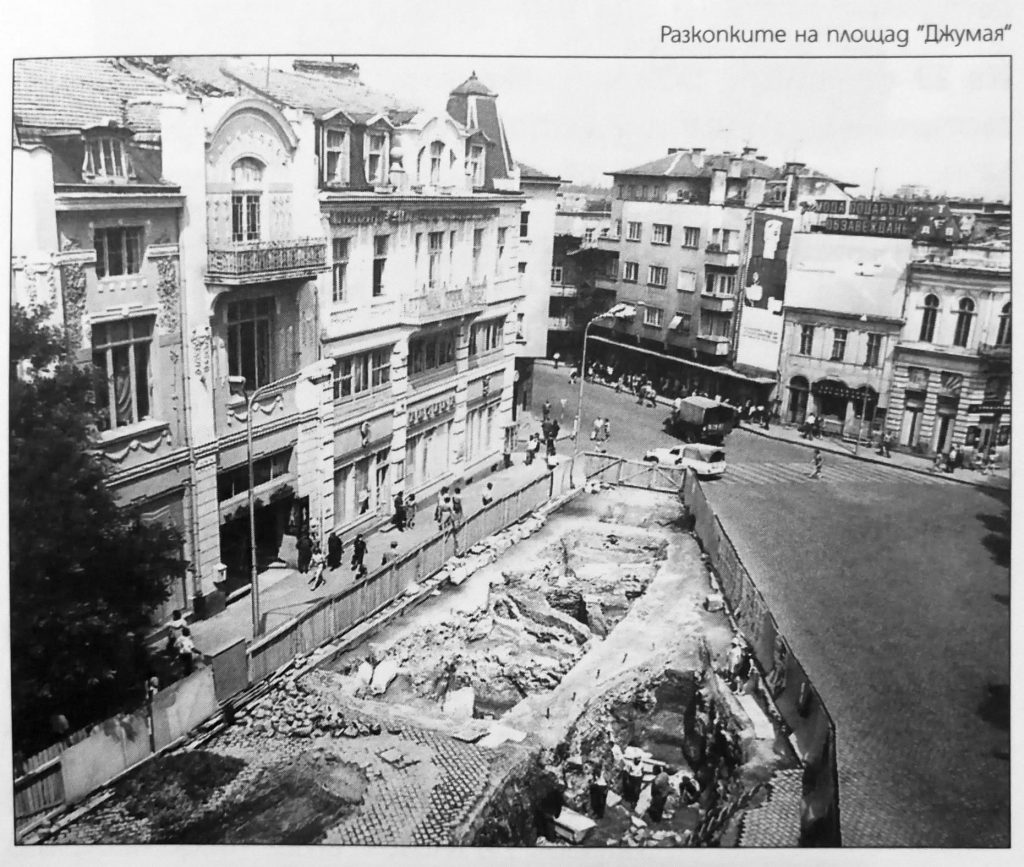
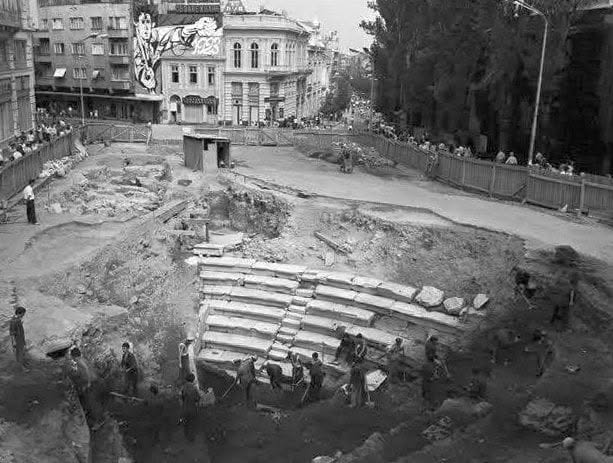
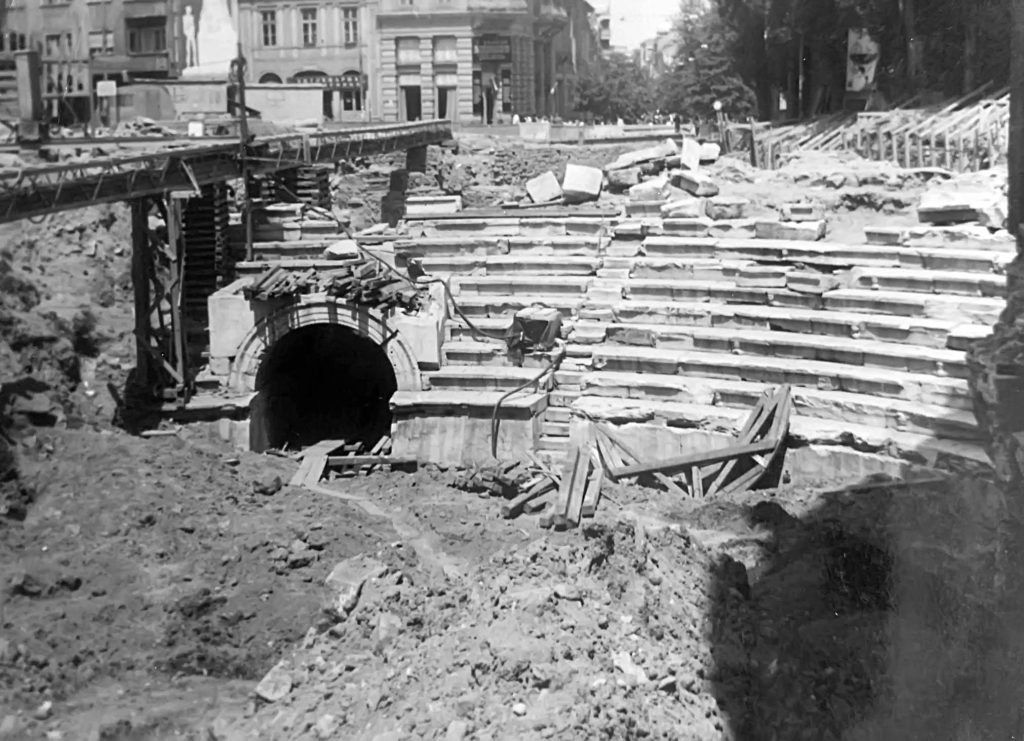
Here you can see the same area today:
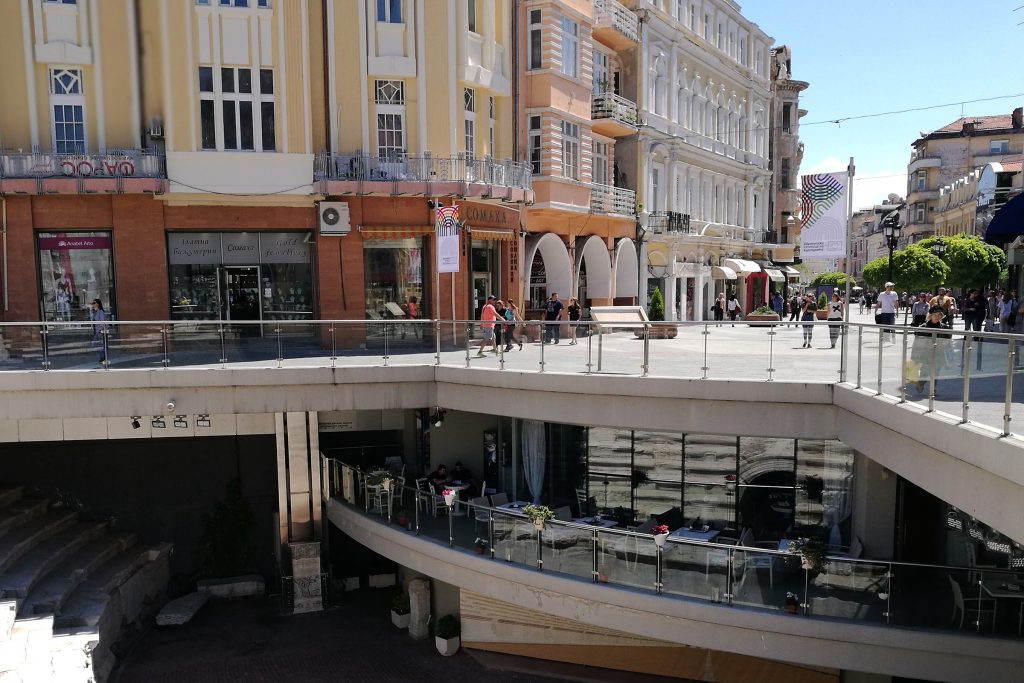
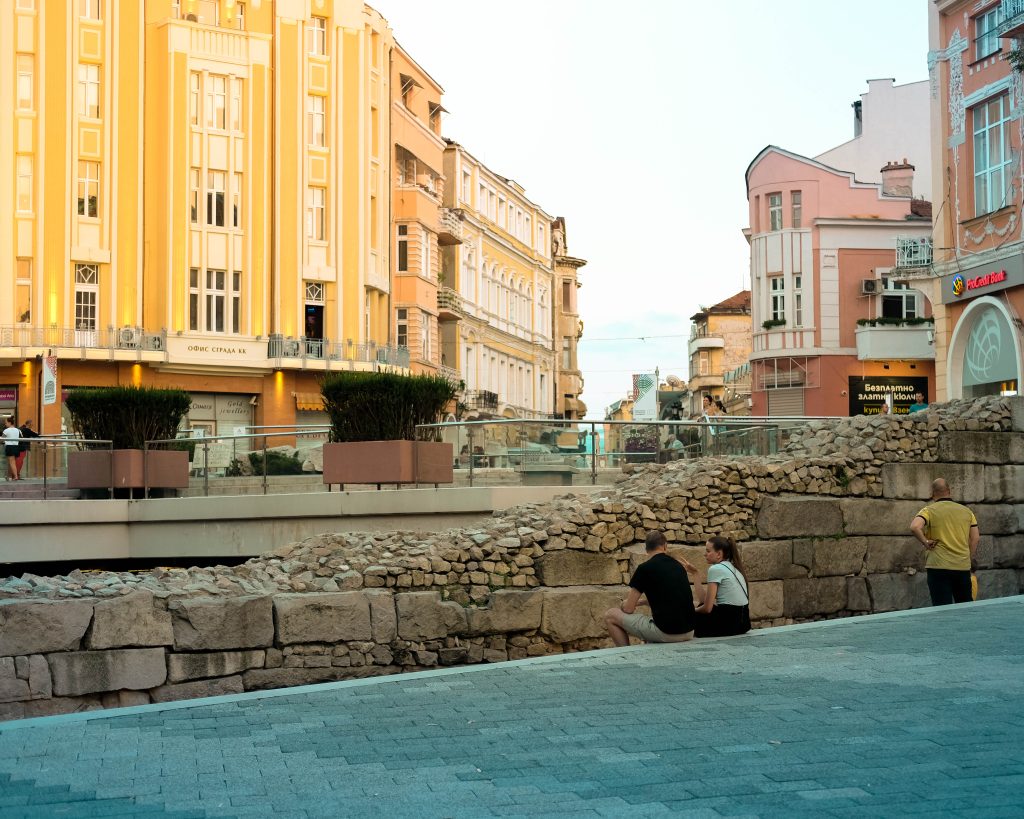
Kapana District: Then and Now
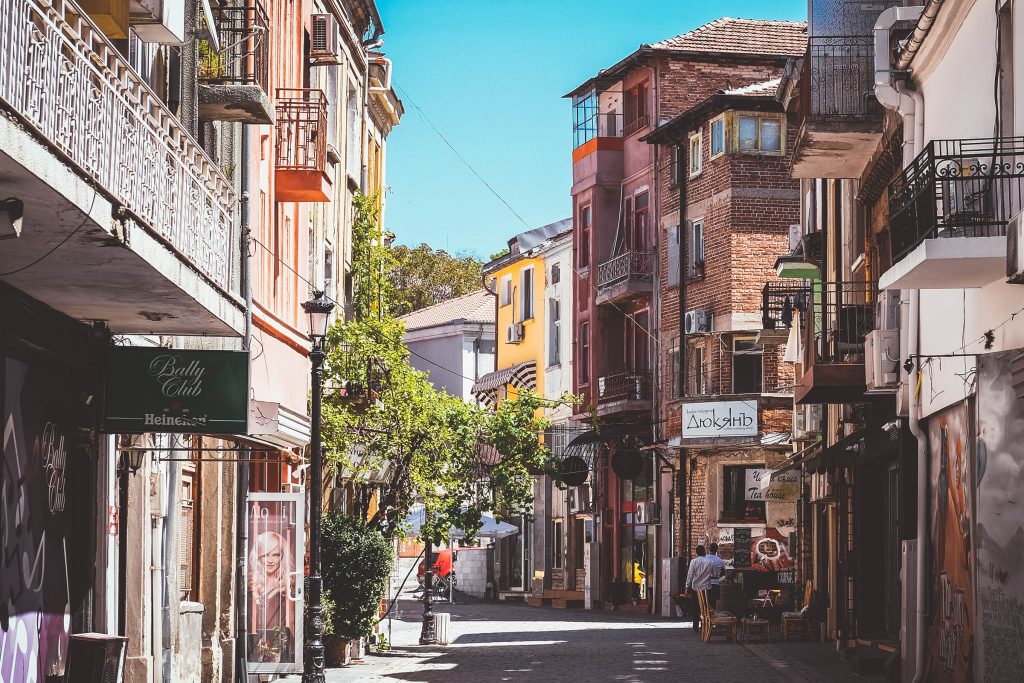
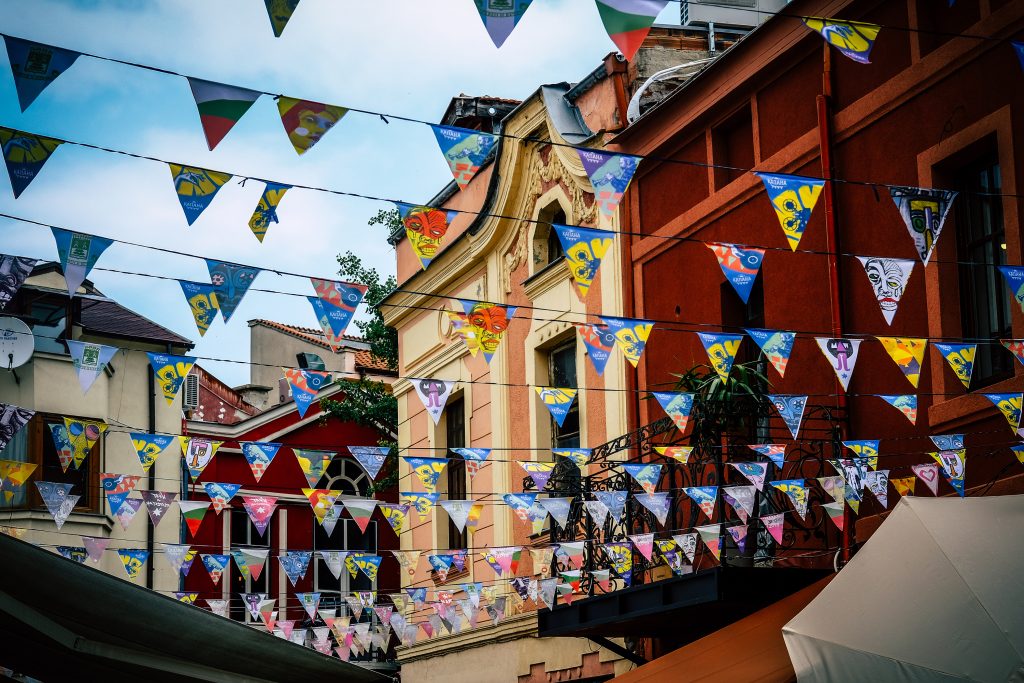
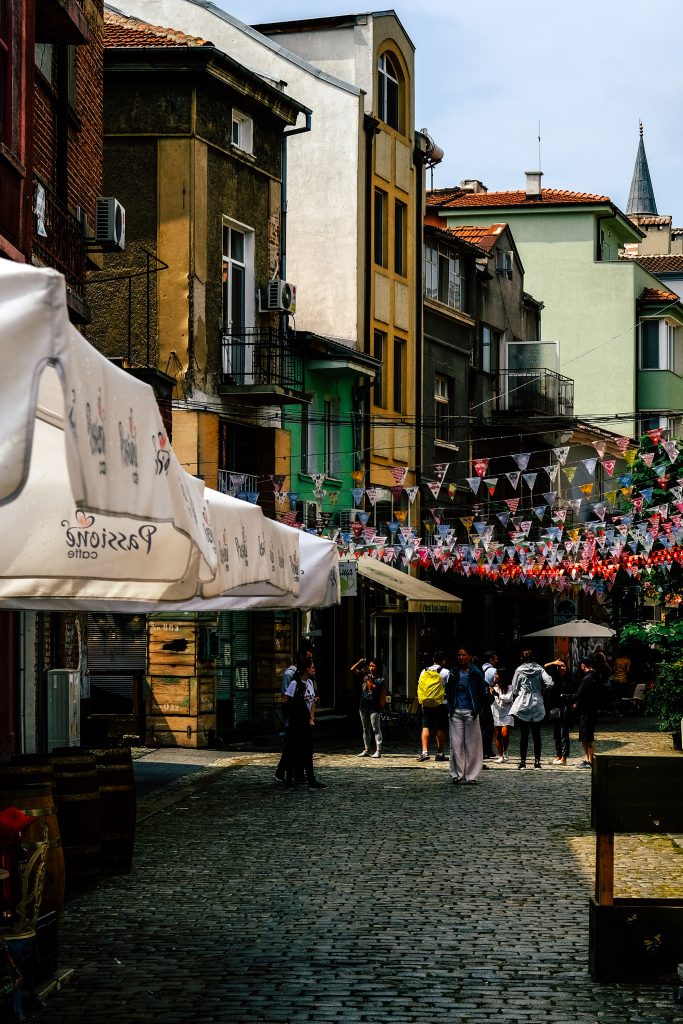
In the past, Kapana was a very different place – a modest craftsmen’s quarter with muddy cobbled streets, small workshops and low houses. Today, it is one of Plovdiv’s liveliest areas, filled with colorful facades, cafés, restaurants, galleries and street art.
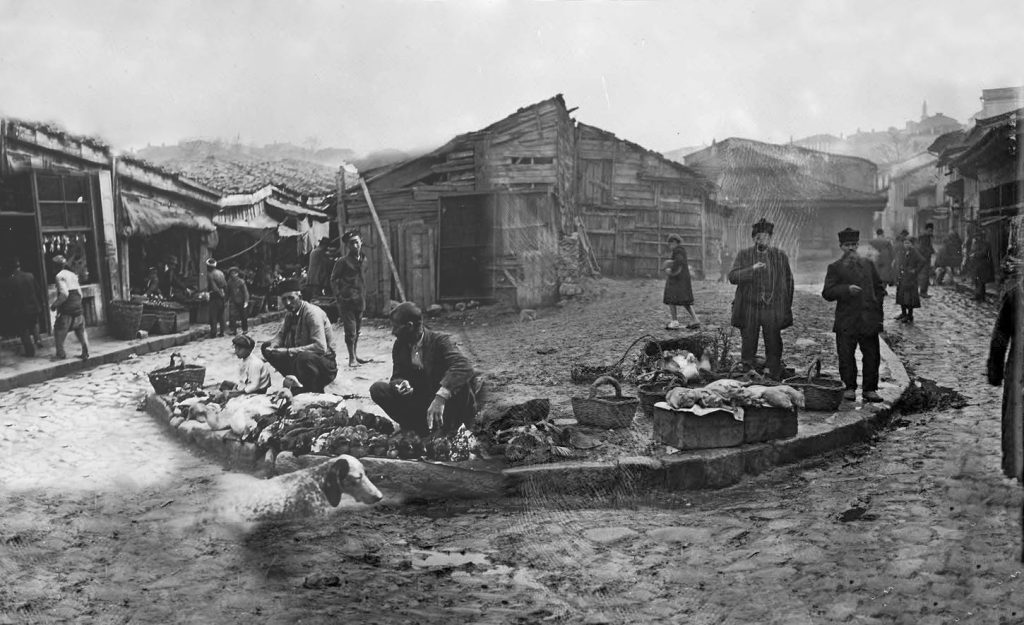
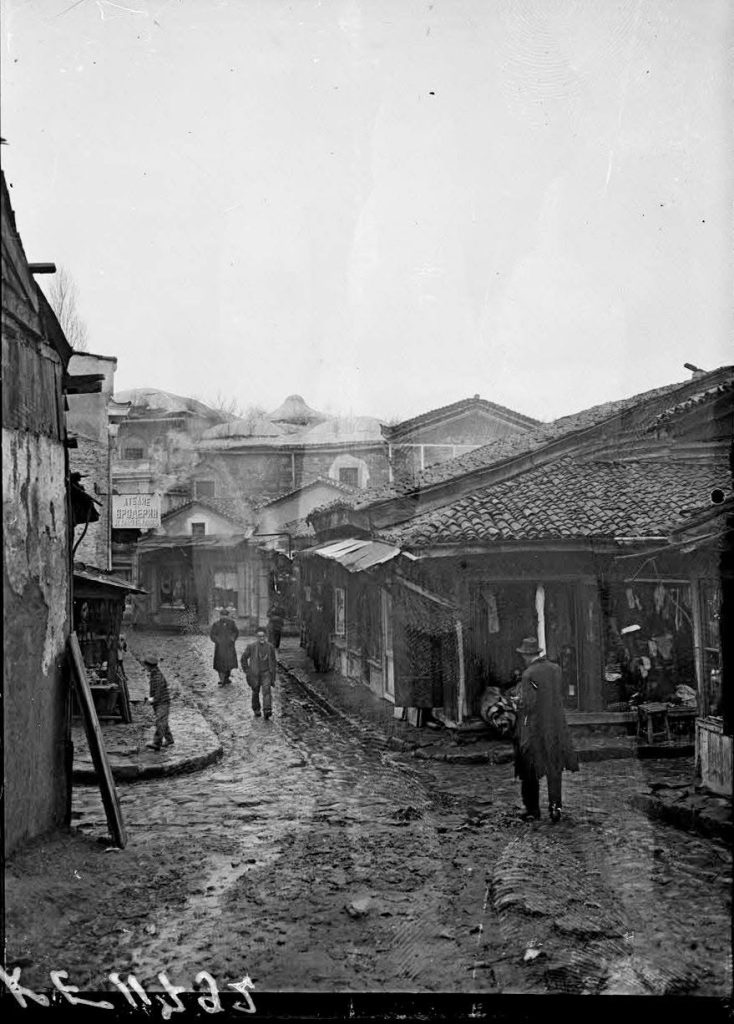
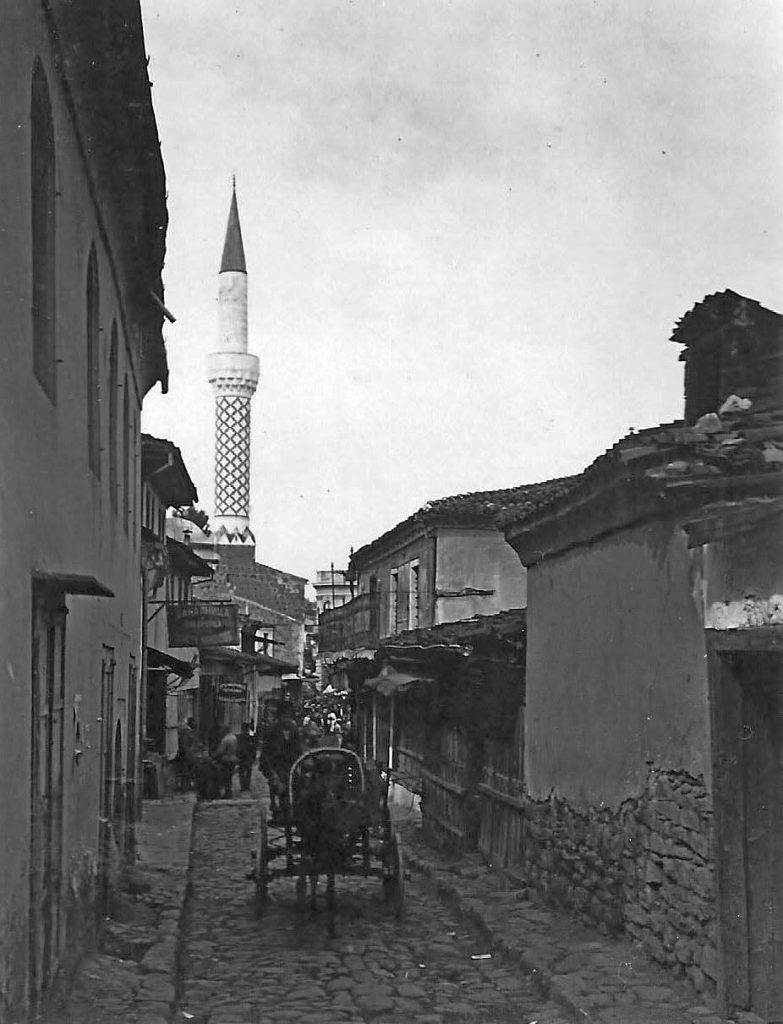
Hardly anything remains of the old Kapana – its inns, hammams and modest workshops are long gone. The Dzhumaya Mosque is one of the few landmarks that still survives. Today, the neighborhood looks completely different.
A City That Keeps Changing
Plovdiv’s city center has changed dramatically over the past century, but its streets still preserve traces of the city that came before. Some areas have all taken on new roles, while fragments of the old city remain visible beneath and alongside the modern one.
These photographs offer a glimpse into that transformation – from muddy streets, horse-drawn carts and busy markets to pedestrian areas, cafés, colorful facades and lively public spaces. Plovdiv may look very different today, but walk through its center and you are still walking through layers of its past.
Want to discover more about how Plovdiv’s city center has changed over the years? Join one of our tours and see the city’s history come to life!
Cover picture: Facebook group “Пловдивъ оживява в цвят”
Check out also:


